
GET YOUR SOIL TESTED

WHY YOU SHOULD YOU HAVE SOIL TESTED
-
Soil Condition have a big effect on Plant health.
-
pH & nutrient levels can change over time.
-
You May Be Over-fertilizing your lawn or garden.
-
Testing is the only way to tell which nutrients might be missing.
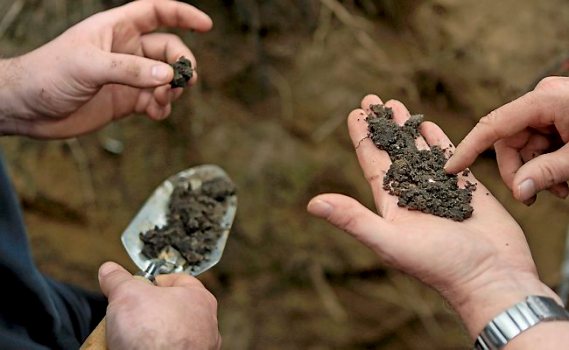
To improve your soil, you need to understand what you have in order to apply the right soil amendments. The best way to test your soil is to send a sample to a SOIL TESTING LABORATORY. The best time to test soil is in the spring, before you add any compost or other amendments, although you can test soil any time.
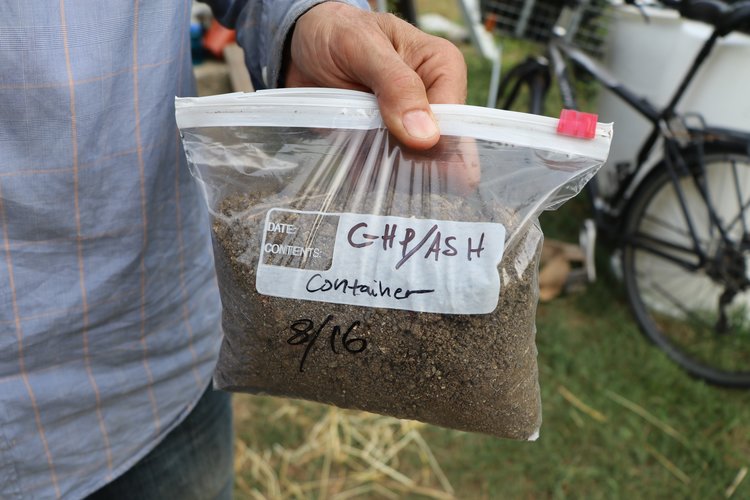
Test results will indicate your soil’s current pH and nutrient content, and will tell you what to add to achieve the correct pH and nutrient levels. Some labs will also tell you what type of soil you have and how much organic material your soil contains. Lab tests from state universities usually cost around $20, including the return postage. Commercial lab tests can cost more than $100, depending on the amount of information you request. Kits from soil labs provide instructions for collecting soil samples and a mailing container for returning the soil.
WHY SOIL TEST
Getting a soil test is a great way to measure its health and fertility. These tests are generally inexpensive, though well worth any cost when it comes to growing and maintaining healthy plants in the garden. So how often should you do a soil test and what does a soil test show? To answer these questions, it may help to learn more about the soil testing process in general.
WHAT DOES A SOIL TEST SHOW?
A soil test can determine the current fertility and health of your soil. By measuring both the pH level and pinpointing nutrient deficiencies, a soil test can provide the information necessary for maintaining the most optimal fertility each year.
